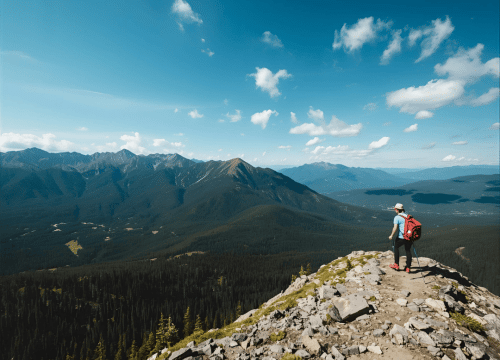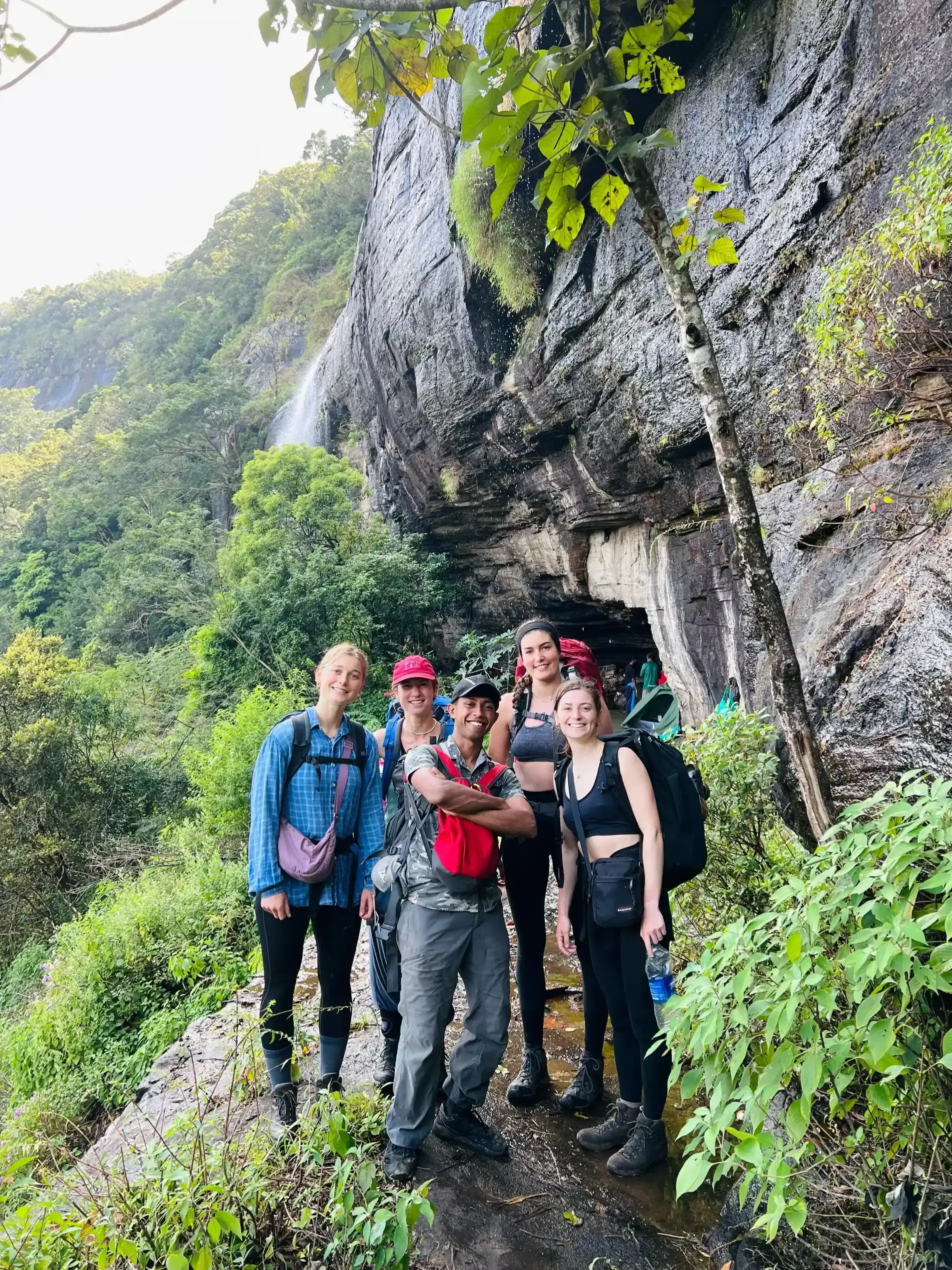

Nestled high in Sri Lanka’s misty central highlands, Hortain Plains National Park offers one of the island’s most spectacular trekking experiences. This remarkable wilderness sanctuary combines dramatic cliff-edge views, pristine waterfalls, and unique highland ecosystems to create an adventure that captures the essence of Sri Lanka’s natural beauty.
For travelers seeking the ultimate highland adventure, the journey to World’s End and Baker’s Falls represents the pinnacle of what Sri Lanka’s mountains have to offer. This comprehensive guide reveals everything you need to know about experiencing these natural wonders, from practical planning tips to the hidden treasures that make this trek truly unforgettable.
Discovering Hortain Plains National Park
A Highland Wilderness Like No Other
Hortain Plains sits at an impressive elevation of 2,100 to 2,300 meters above sea level, creating a unique highland environment found nowhere else in Sri Lanka. This 3,160-hectare protected area earned its place as a national park in 1988 and gained even greater recognition in 2010 when it became part of the UNESCO World Heritage-listed Central Highlands of Sri Lanka, joining the Knuckles Mountain Range and Peak Wilderness Sanctuary.
The park’s elevated position creates a fascinating mosaic of ecosystems. Cloud forests shrouded in perpetual mist give way to golden grasslands, while mountain streams cascade down rocky ledges to form spectacular waterfalls like the famous Bakers Falls. This diverse landscape provides critical habitat for numerous endemic species, making every step through Horton Plains a potential wildlife discovery.
For more information about the park’s UNESCO World Heritage status and conservation significance, visit the UNESCO World Heritage Centre and learn about its role in protecting Sri Lanka’s unique highland biodiversity.
Ecological Significance and Biodiversity
What sets Hortain Plains apart from other Sri Lankan national parks is its role as a vital watershed. The park serves as the headwater for three of Sri Lanka’s major rivers: the Mahaweli, Kelani, and Walawe. This highland plateau acts as a natural water tower, collecting moisture from passing clouds and gradually releasing it to sustain ecosystems across much of the island.
Horton Plains contains the most extensive area of cloud forest still existing in Sri Lanka, and its recognition as part of the UNESCO World Heritage List as Central Highlands of Sri Lanka alongside the Knuckles Mountain Range highlights its global conservation importance.
The unique combination of altitude, climate, and isolation has allowed remarkable biodiversity to flourish. Endemic birds like the Sri Lankan Whistling Thrush and Yellow-eared Bulbul call these highlands home, while elusive mammals including the Sri Lankan leopard occasionally leave their tracks along forest trails. The area is rich in wildlife, including various bird species that make every visit a potential discovery.


The World’s End and Baker’s Falls Trek Experience
Trail Overview and What to Expect
The classic Horton Plains circuit covers approximately 9.5 kilometers and typically takes 3-4 hours to complete, depending on your pace and time spent at viewpoints. This moderate difficulty trail offers something for everyone, from families with older children to experienced hikers seeking dramatic landscapes.
The trek follows a well-maintained loop that begins in cloud forest, emerges into open grasslands, reaches the dramatic cliff edge at World’s End, continues through pristine montane forest to Baker’s Falls, and returns through varied terrain to the starting point.
Starting Your Highland Adventure
Success on the Hortain Plains trek begins with proper timing. The best experiences happen in the early morning hours before mist rises from the valleys to obscure the spectacular views from World’s End. Most visitors begin their journey before dawn, arriving at the park entrance by 6:30 AM to maximize their chances of clear visibility.
The initial section winds through mysterious cloud forest where ancient trees draped in moss and lichens create an otherworldly atmosphere. This ecosystem represents some of the last remaining undisturbed highland forest in Sri Lanka, offering glimpses of botanical treasures found nowhere else on Earth.
The Journey to World’s End
As the trail emerges from the forest, vast grasslands stretch toward the horizon. These montane grasslands, known locally as “patanas,” support unique plant communities adapted to the cool, humid highland climate. During the early morning hours, dewdrops cling to grass stems, creating countless tiny prisms that catch the golden light of dawn.
The approach to World’s End builds anticipation gradually. The first stop at Little World’s End provides a preview of the drama to come, with a 270-meter drop offering expansive views across the lowlands. However, nothing quite prepares visitors for the moment they reach Grand World’s End.
Standing at this spectacular viewpoint, the land simply vanishes into an 880-meter vertical drop. On clear mornings, the panorama extends all the way to Sri Lanka’s southern coast, with villages and farmlands appearing like miniature models far below. Hawks and eagles soar beneath your vantage point, providing a humbling perspective on the scale of this natural wonder.
Continuing to Baker’s Falls
After experiencing the breathtaking views at World’s End, the trail continues through some of the most pristine sections of montane forest remaining in Sri Lanka. This portion of the trek offers excellent opportunities for wildlife observation, as the diverse forest habitat supports numerous endemic species.
The sound of rushing water announces your approach to Bakers Falls long before the waterfall comes into view. Named after the famous explorer Sir Samuel Baker, this 20-meter cascade represents one of Sri Lanka’s most picturesque waterfalls, surrounded by lush vegetation and endemic flora.
The setting at Baker’s Falls creates a perfect microclimate where unusual ferns and orchids thrive in the cool, moist environment created by the falling water. Wildlife enthusiasts can spot various bird species including the Sri Lankan whistling thrush and the yellow-eared bulbul in this pristine environment. This peaceful spot provides an ideal location for rest and reflection, allowing visitors to appreciate the delicate beauty of this highland oasis.
Wildlife and Natural Wonders of Hortain Plains
Endemic Species and Conservation
Horton Plains serves as a refuge for numerous species found nowhere else in the world. The park’s isolation and unique climate have allowed remarkable evolutionary adaptations to occur over thousands of years.
Among the most sought-after wildlife sightings are the endemic birds that inhabit these highlands. The Sri Lankan Whistling Thrush, with its distinctive calls echoing through misty valleys, represents one of the rarest birds in Sri Lanka. The colorful Yellow-eared Bulbul flits through forest edges, while tiny Sri Lankan White-eyes move in active flocks through the canopy.
Mammals include the impressive Sambar deer, often spotted grazing peacefully in the grasslands during early morning hours. The endemic Purple-faced langur occasionally appears in the forest canopy, while signs of the elusive Sri Lankan leopard remind visitors that this apex predator still roams these ancient hunting grounds.
Seasonal Variations and Best Times to Visit
Hortain Plains offers different experiences throughout the year, each season bringing its own character to the landscape. The dry months from January to March provide the highest probability of clear skies at World’s End, while the period from July to September offers a secondary window of favorable weather.
During the monsoon months, the park transforms into a mystical wonderland where dramatic clouds sweep across the landscape and Bakers Falls reaches its full power. While mist may obscure distant views, these conditions create atmospheric photography opportunities and showcase the dynamic nature of this highland ecosystem.
Planning Your Hortain Plains Adventure
What to Bring and How to Prepare
Success on the Horton Plains trek requires proper preparation and equipment. The highland climate can be surprisingly cool, especially during early morning hours when temperatures may drop to 10°C (50°F). Layered clothing allows you to adjust to changing conditions as the day progresses and the sun burns through the morning mist.
Sturdy hiking shoes provide essential traction on varied terrain that may include muddy sections, rocky paths, and grassy slopes. A waterproof jacket offers protection against sudden weather changes that are common in these highlands.
Photography enthusiasts should bring fully charged camera batteries and extra memory cards, as the photographic opportunities throughout Hortain Plains are virtually endless. Binoculars enhance wildlife spotting and allow detailed observation of distant views from World’s End.
Professional Guidance and Safety Considerations
While the Horton Plains trail is well-marked and relatively straightforward, professional guides significantly enhance the experience by sharing detailed knowledge of the ecosystem, spotting wildlife that most visitors would miss, and ensuring safety throughout the trek.
Experienced guides know the optimal timing for each section of the trail, the best vantage points for photography, and can identify the calls and behaviors of endemic species. Their expertise transforms a simple walk into an educational adventure that deepens appreciation for this remarkable ecosystem.
Safety considerations include staying on designated trails to prevent erosion and habitat damage, maintaining appropriate distances from wildlife, and being prepared for rapidly changing weather conditions that are common in highland environments.
Conservation and Responsible Tourism
Protecting a Precious Ecosystem
Hortain Plains faces various conservation challenges, including invasive species, climate change impacts, and pressure from increasing tourism. As one of Sri Lanka’s most important biodiversity hotspots, the park requires careful management to preserve its unique ecosystems for future generations.
Visitors can contribute to conservation efforts by following Leave No Trace principles, staying on designated paths, and avoiding any activities that might disturb wildlife or damage sensitive habitats. Supporting responsible tour operators who prioritize environmental protection helps ensure that tourism benefits both conservation and local communities.
Supporting Local Communities
The highlands surrounding Horton Plains are home to communities whose livelihoods depend on sustainable use of natural resources. Responsible tourism provides economic incentives for conservation while supporting local employment in guiding, transportation, and hospitality services.
Many local guides possess generations of knowledge about the highland environment, passed down through families who have lived in these mountains for centuries. Their expertise and cultural connections add authentic perspectives that enrich the Hortain Plains experience.
Beyond the Trek: Complementary Highland Experiences
Exploring the Broader Region
While World’s End and Baker’s Falls form the centerpiece of most Hortain Plains visits, the broader highland region offers numerous complementary experiences. The nearby town of Nuwara Eliya provides a fascinating glimpse into colonial history, with well-preserved architecture and cultural attractions that tell the story of Sri Lanka’s tea industry.
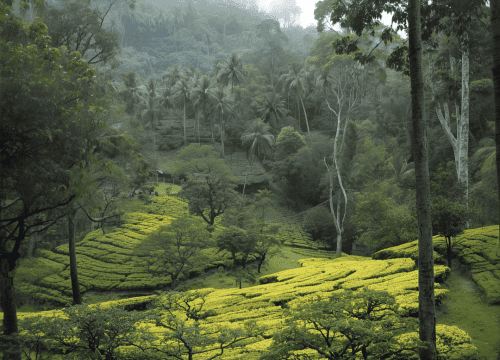
Tea plantation tours offer insights into the cultivation and processing of Ceylon tea, one of Sri Lanka’s most famous exports. These working estates provide opportunities to learn about sustainable agriculture practices and the role of tea cultivation in shaping the highland landscape.
Additional Trekking Opportunities
For visitors seeking additional hiking challenges, the highlands offer several other remarkable trails. The ascent to Kirigalpoththa, Sri Lanka’s second-highest peak, provides a more strenuous adventure with equally spectacular rewards. The gentler Thotupola Nature Trail offers beautiful views with less physical demand, making it suitable for all fitness levels.
The Pekoe Trail, Sri Lanka’s first long-distance hiking trail, includes a spectacular section through the heart of tea country that showcases the region’s cultural and natural heritage.
Making the Most of Your Hortain Plains Experience
Photography Tips and Techniques
Horton Plains offers photographers countless opportunities to capture Sri Lanka’s highland beauty. The early morning light at World’s End creates dramatic contrasts between the cliff face and distant valleys, while the mist-shrouded forests provide atmospheric scenes that showcase the mysterious character of these highlands.
At Bakers Falls, the interplay of water, light, and surrounding vegetation creates opportunities for both wide landscape shots and intimate details of endemic plants and wildlife. Macro photography enthusiasts will find endless subjects among the unique flora that thrives in this highland environment.
Cultural Connections and Local History
The Hortain Plains region holds significance that extends far beyond its natural beauty. Indigenous communities have lived in these highlands for thousands of years, developing deep cultural connections to the landscape that persist today.
Colonial history also shapes the region’s character, from the naming of Baker’s Falls after the famous explorer to the development of hill stations like Nuwara Eliya. Understanding these historical layers adds depth to the trekking experience and provides context for the conservation challenges facing the region today.
Conclusion: An Unforgettable Highland Adventure
The trek through Hortain Plains to World’s End and Bakers Falls represents one of Sri Lanka’s most rewarding outdoor adventures. This remarkable journey combines dramatic landscapes, unique wildlife, and pristine natural environments to create memories that last a lifetime.
From the moment you stand at the edge of World’s End, gazing across the vast expanse of Sri Lanka’s southern plains, to the peaceful moments beside Baker’s Falls listening to water cascade through ancient forest, every aspect of this experience showcases the incredible natural heritage of Sri Lanka’s highlands.
Whether you’re drawn by the photography opportunities, the chance to spot endemic wildlife, or simply the desire to experience one of the world’s most spectacular viewpoints, Horton Plains delivers an adventure that exceeds expectations and creates a deep connection with Sri Lanka’s remarkable natural world.
The combination of accessibility and wilderness, challenge and reward, makes this highland trek suitable for a wide range of visitors while maintaining its character as a truly wild and precious ecosystem. As you plan your Sri Lankan adventure, make sure to include this spectacular journey to the edge of the world and the heart of one of the island’s most beautiful natural sanctuaries.

Top 7 Sri Lankan Hikes: Your Ultimate Trail Guide!
Top 10 Nuwara Eliya Attractions: Your Ultimate Guide!