
Sri Lanka, often called the “teardrop of India,” holds some of the most incredibly biodiverse rainforests in Sri Lanka. Despite its small size, this island nation boasts an extraordinary array of life, with its rainforests serving as vital homes for countless species found nowhere else on Earth. These natural wonders are a testament to the island’s rich ecological heritage.
Sinharaja Forest Reserve: A Living Museum
Geography and Status: The Sinharaja Rainforest, meaning “Lion King,” is Sri Lanka’s last remaining significant area of primary tropical rainforest. Located in the southwest lowland wet zone, this UNESCO World Heritage Site covers approximately 11,187 hectares across the Sabaragamuwa and Southern Provinces. The forest remains largely untouched, acting as a living museum of tropical rainforest evolution.
Biodiversity: The Sinharaja Rainforest boasts exceptional biodiversity, making it one of the world’s most concentrated centers of endemic species. Over 60% of Sri Lanka’s endemic tree species thrive here, providing habitat for 50% of the country’s endemic mammals and nearly 95% of its endemic bird species. Keep an eye out for the elusive purple-faced langur, the majestic Sri Lankan leopard, and rare birds like the Sri Lanka blue magpie and red-faced malkoha. The forest supports over 2,000 plant species, including 60% of the country’s endemic trees and woody climbers, creating a complex ecosystem from the forest floor to the canopy.
Conservation Challenges: The Sinharaja Rainforest faces ongoing threats from illegal logging, agricultural encroachment, and the impacts of climate change, which alter rainfall patterns and temperatures. Conservation efforts include stricter enforcement of its protected status, community-based programs that offer alternative livelihoods to local residents, and sustainable tourism initiatives that generate income while safeguarding the forest’s integrity.
Knuckles Mountain Range: A Mosaic of Ecosystems
Geography and Status: The Knuckles Mountain Range, named for its resemblance to a clenched fist, spans approximately 21,000 hectares in central Sri Lanka. This UNESCO World Heritage Site showcases a remarkable variety of ecosystems, from lowland tropical forests to cloud forests and montane grasslands, creating distinct ecological zones within a relatively compact area. While not a typical rainforest in Sri Lanka, it contains crucial forest types.
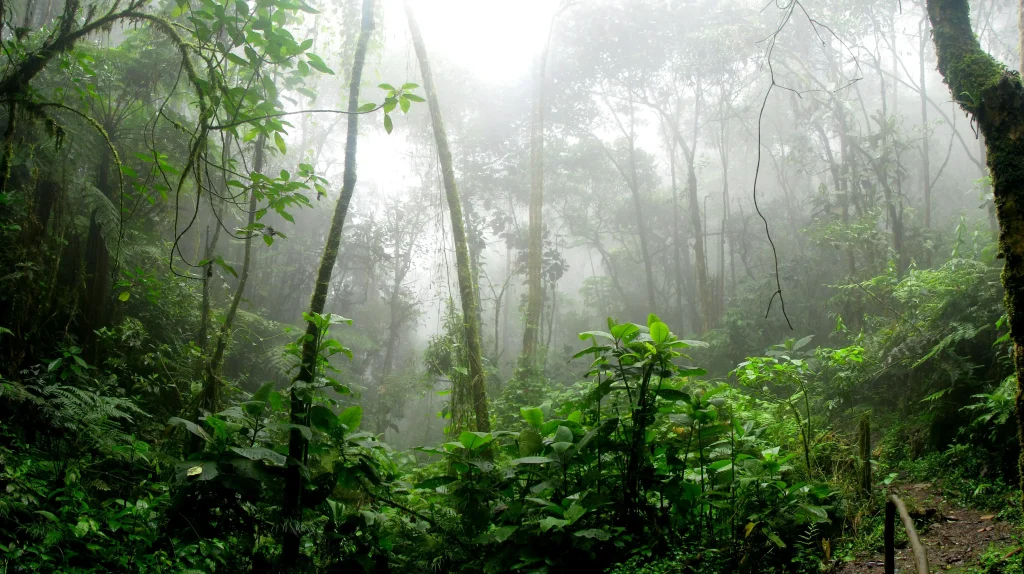
Unique Ecosystems: The Knuckles range features diverse forest types adapted to different elevations and microclimates. Tropical montane cloud forests exist under constant cloud cover, creating misty environments with high humidity and unique plant communities. Dwarf forests at higher elevations have stunted trees adapted to harsh winds and thin soils. Montane grasslands, known as ‘pathanas’, create open spaces, while pygmy forests show trees specially adapted to extreme wind exposure and rocky ground.
Endemic Species: Knuckles is home to numerous endemic species that have evolved in isolation within specific microhabitats. Look for the Knuckles pygmy lizard (Cophotis dumbara), one of the world’s smallest lizard species, and several endemic orchid species that create stunning displays during flowering seasons. The endangered Knuckles leopard gecko and endemic freshwater fish species like Garra Phillipsi highlight the range’s importance for both aquatic and terrestrial biodiversity.
Conservation Status: The Knuckles Conservation Forest was established in 2000 to protect this unique ecosystem from increasing human pressures. Major threats include cardamom cultivation (which requires forest clearing), slash-and-burn agriculture, and illegal tree felling. Sustainable ecotourism and community-based conservation programs are being implemented to provide economic alternatives while protecting the range’s ecological integrity.

Kanneliya Forest Reserve: A Southern Gem
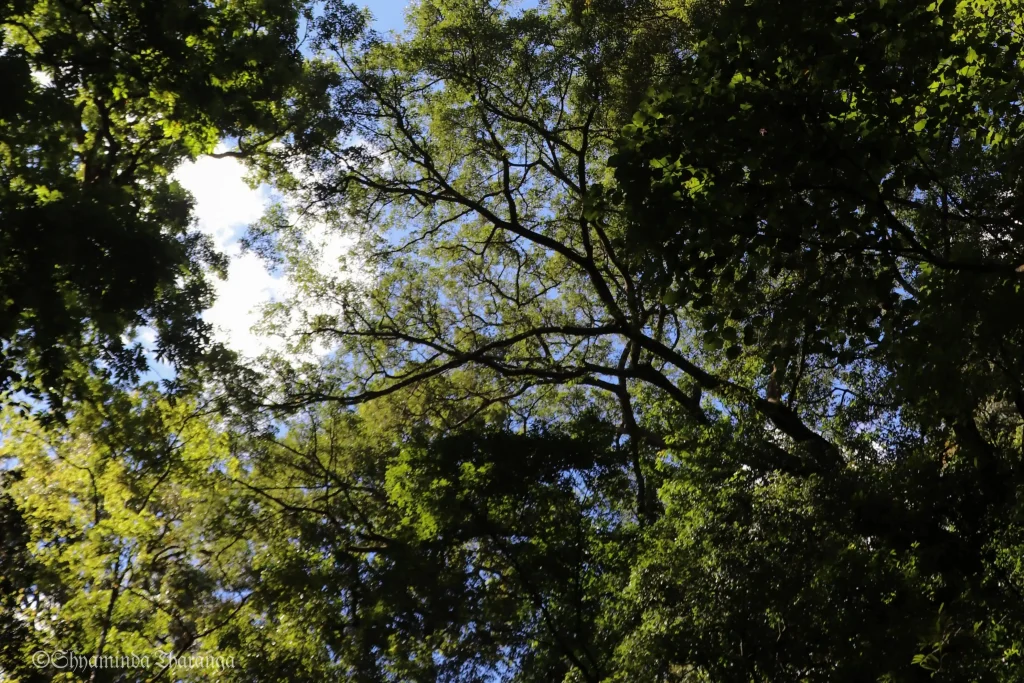
Geography and Location: Part of the Kanneliya-Dediyagala-Nakiyadeniya (KDN) complex, Kanneliya covers approximately 5,306 hectares in southern Sri Lanka. It represents one of the last large remaining rainforests in Sri Lanka within the lowland wet zone, making it critically important for biodiversity conservation in a region facing intense development.
Biodiversity Significance: Kanneliya shows remarkable species richness in a relatively small area. The forest contains over 300 plant species, including 133 endemic species found only in Sri Lanka. Bird diversity reaches 220 species with 34 endemic varieties, while 31 mammal species find habitat within the reserve. Reptile diversity includes 57 species with 28 endemic varieties, and amphibian communities contain 20 species with 13 endemic forms, highlighting the forest’s role as an evolutionary laboratory.
Watershed Protection: Beyond its biodiversity value, Kanneliya serves as a vital watershed for southern Sri Lanka, feeding multiple river systems, including the Gin Ganga and Nilwala River. These water sources support agricultural activities and domestic water supplies for thousands of residents, demonstrating how forest conservation directly benefits human communities through essential ecosystem services.
Conservation Efforts: The forest received designation as a biosphere reserve in 2004 under UNESCO’s Man and the Biosphere Program, recognizing its global significance for conservation and sustainable development. Active conservation programs include reforestation of degraded areas, implementation of buffer zones to reduce edge effects, and community participation in conservation governance, giving local residents a voice in management decisions.
Makandawa Forest Reserve: A Historical Landmark
Historical Significance: Located near Kitulgala in the wet zone, Makandawa holds the distinction of being Sri Lanka’s first forest reserve, established in 1903 during the British colonial period. This relatively small forest, approximately 192 hectares, represents original lowland rainforest in Sri Lanka vegetation that once covered much of the southwest.
Biodiversity: Despite its modest size, Makandawa contains impressive species diversity, reflecting the richness of Sri Lanka’s original forest cover. Over 150 tree species create a complex forest structure, while more than 100 bird species use different forest layers for feeding and nesting. Numerous endemic amphibians thrive in the forest’s streams and moist microhabitats, and a variety of medicinal plants continue to be used by local communities, following traditional knowledge systems.
Ecosystem Services: Makandawa protects the watershed of the Kelani River, Sri Lanka’s fourth-longest river and a critical water source for the capital city Colombo. The forest helps regulate water flow, prevents soil erosion that would clog downstream water systems, and maintains water quality by filtering pollutants.
Recreation and Education: The reserve serves as an important outdoor laboratory for environmental education and scientific research, providing accessible field study opportunities for students and researchers. Its proximity to Kitulgala makes it convenient for educational field trips while maintaining the ecological integrity necessary for meaningful conservation education.
Other Notable Rainforest Areas
- Peak Wilderness Sanctuary: Surrounding Sri Pada (Adam’s Peak), this sanctuary contains diverse forest types, from lowland rainforests in Sri Lanka to cloud forests at higher elevations.
- Horton Plains National Park: While primarily montane grasslands, Horton Plains contains patches of montane cloud forests with exceptionally high rates of endemism.
- Dellawa Conservation Forest: Part of the lowland wet zone forest complex, Dellawa connects with the Sinharaja Rainforest and serves as an important wildlife corridor, allowing animal movement between forest patches.

Conservation Status and Threats
Fragmentation: Sri Lanka’s rainforests in Sri Lanka face severe fragmentation due to agricultural expansion, road development, and human settlements. This divides large forest areas into smaller, isolated patches, compromising genetic exchange between populations.
Climate Change Impacts: Changing rainfall patterns, rising temperatures, and extreme weather events pose growing threats. Cloud forests are particularly vulnerable as warming temperatures alter cloud formation patterns.
Invasive Species: Non-native species like Lantana camara and Clidemia hirta threaten native biodiversity by outcompeting indigenous plants and altering forest structure.
Unsustainable Resource Extraction: Despite legal protection, illegal logging, mining activities, and the collection of forest products continue to degrade these precious habitats.
Conservation Initiatives
Legal Protection Framework: Sri Lanka has established multiple levels of protection, including National Parks, Nature Reserves, and Conservation Forests, managed by various government agencies.
Community-Based Conservation: Successful initiatives involve local communities directly in forest management, offering alternative livelihoods and incentives for conservation.
International Collaboration: Organizations like IUCN, UNDP, and the World Bank support conservation projects in Sri Lanka’s rainforests through funding and technical assistance.
Research and Monitoring: Scientific institutions conduct ongoing monitoring of biodiversity trends and forest health, providing essential information for adaptive management strategies.
Protecting Sri Lanka’s Forest Heritage
Sri Lanka’s rainforests in Sri Lanka represent irreplaceable biodiversity hotspots with exceptional levels of endemism, making them globally significant for conservation. From the towering trees of the Sinharaja Rainforest to the misty forests of Knuckles, these ecosystems provide essential services, including watershed protection, carbon sequestration, and climate regulation, benefiting both local communities and global environmental health.
The conservation of these forests requires integrated approaches that address direct threats while engaging local communities as active conservation partners. With appropriate protection measures and sustainable management practices, Sri Lanka’s rainforests can continue to thrive as living laboratories of evolution and essential life-support systems for the island nation’s future prosperity.
Link to UNESCO World Heritage Centre – Sinharaja Forest Reserve
Link to Department of Wildlife Conservation, Sri Lanka

Top 7 Sri Lankan Hikes: Your Ultimate Trail Guide!
Top 10 Nuwara Eliya Attractions: Your Ultimate Guide!