

You’re planning your dream trip to Sri Lanka, scrolling through travel forums and weather websites, only to find yourself completely overwhelmed by conflicting information about monsoon seasons. Sound familiar? You’re not alone. Sri Lanka weather concerns top the list of traveler worries, but here’s the truth that most outdated guides won’t tell you.
The Traditional Weather Story Everyone Knows
For decades, travelers have planned their Sri Lanka adventures around two main seasons.
- The South West monsoon Season: Rain period from May to September affecting the southwest
- The North East monsoon Season: Rain period from October to January affecting the northeast
Travel guides have religiously promoted these patterns, creating a false sense of predictability that simply doesn’t match today’s reality. These traditional patterns made sense when weather systems were more stable and predictable. Travelers would carefully avoid certain months, believing they’d encounter weeks of non-stop rain that would ruin their vacation.
Why Everything Changed: The Global Warming Reality
Here’s what travel guides rarely mention: Sri Lanka weather patterns have fundamentally shifted due to global warming. The island nation hasn’t experienced those textbook monsoon seasons as described for several years now. Climate scientists have documented significant changes in precipitation patterns across South Asia, and Sri Lanka is no exception.
The Sri Lanka Department of Meteorology has noted increasing unpredictability in seasonal patterns, with traditional monsoon timings becoming less reliable. This shift means that the old rules about when to visit simply don’t apply anymore.
The Real Weather Truth for Modern Travelers
So what does Sri Lanka climate actually look like today? The reality is far more traveler-friendly than you might expect:
Heavy Rain is Short-Lived
When heavy rainfall does occur, it typically lasts only 4-5 days maximum. These aren’t the week-long deluges that travel anxiety dreams are made of. Most importantly, these brief periods can happen during any month, regardless of traditional “wet” or “dry” season classifications.
Bay of Bengal Turbulence is the Real Driver
The main factor determining heavy rainfall isn’t those old monsoon calendars. Instead, atmospheric turbulence around the Bay of Bengal drives most significant weather events. This turbulence is largely unpredictable and can occur at any time of year.
Location Matters More Than Season
Sri Lanka’s diverse topography means that rain is often highly localized. While one coast might experience showers, the opposite side of the island could be perfectly sunny. This geographical advantage gives flexible travelers plenty of options.
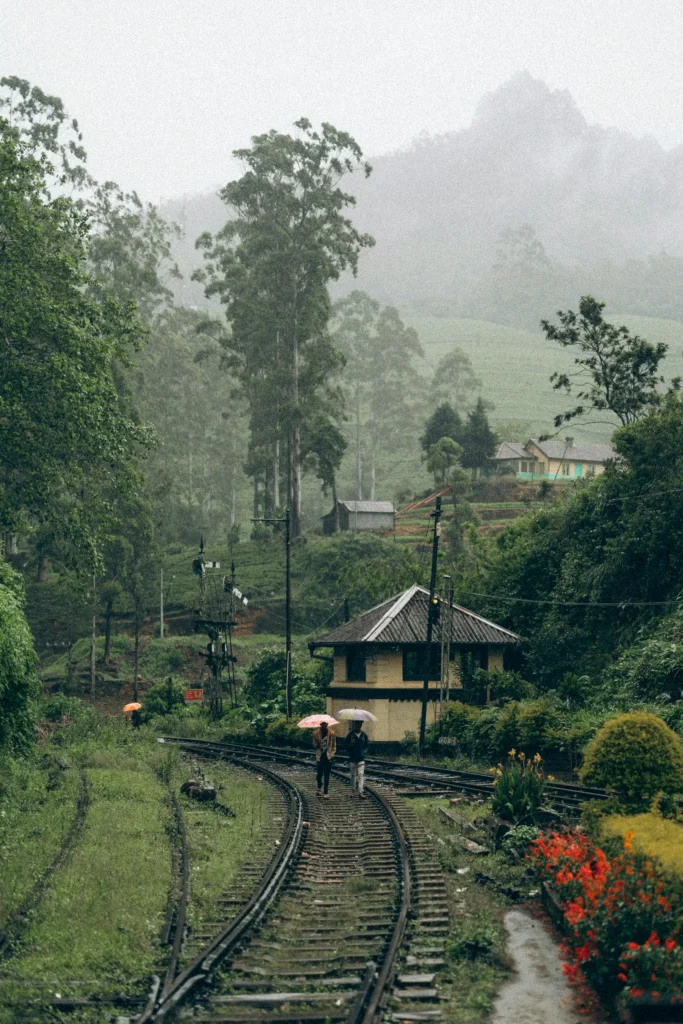
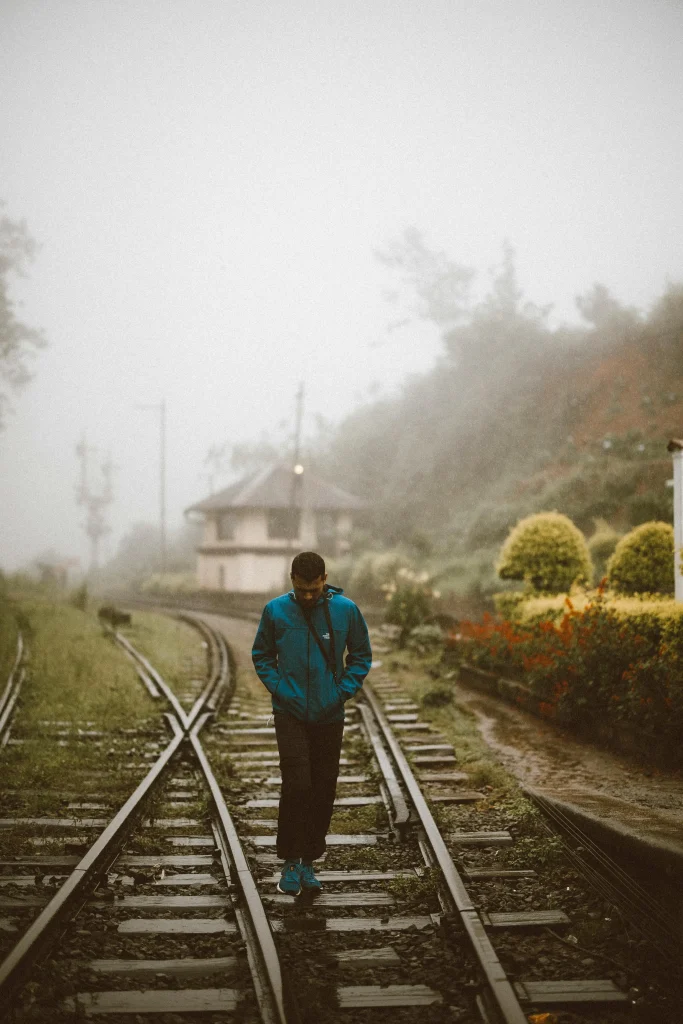

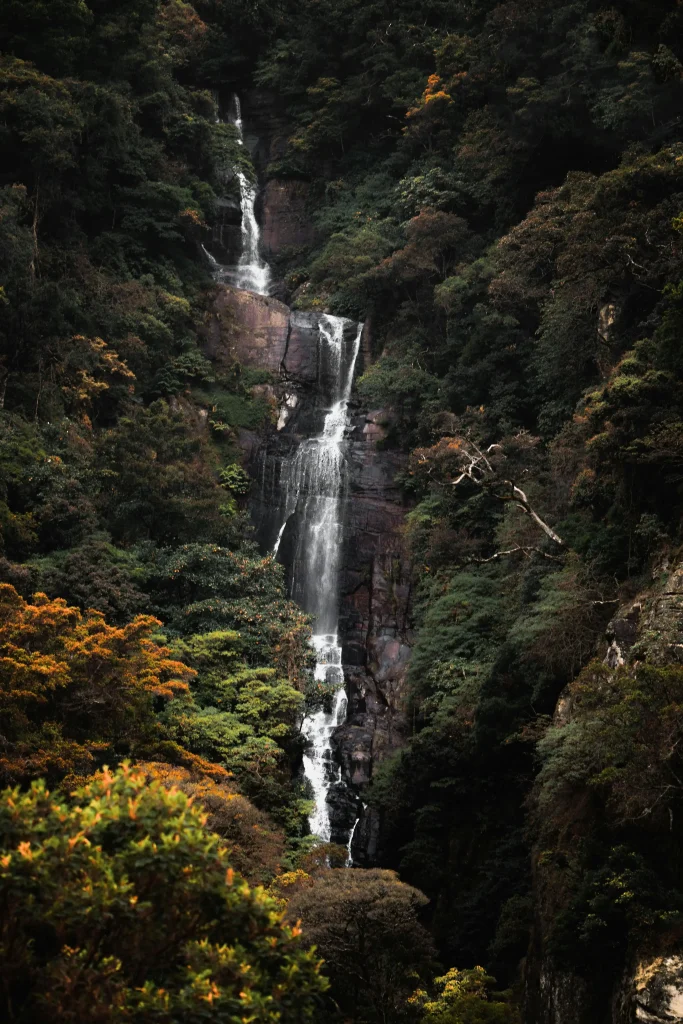


Why Rain Shouldn’t Ruin Your Plans
Most travelers worry unnecessarily about rain affecting their entire trip. Here’s why those fears are overblown:
Brief Duration: Even during heavy rain periods, you’re looking at 4-5 days maximum, not weeks of continuous downpour.
Partial Impact: Rain rarely affects entire days. Often, you’ll experience short afternoon showers followed by clear skies.
Alternative Activities: Sri Lanka offers incredible indoor experiences, from ancient cave temples to spice gardens, that actually become more atmospheric during light rain.
Quick Recovery: The tropical climate means that even after heavy rain, surfaces dry quickly and outdoor activities resume normally.
The Year-Round Destination Truth
Based on changing climate patterns and real traveler experiences, Sri Lanka has become a genuine year-round destination. The Sri Lanka Tourism Development Authority acknowledges this shift, promoting the island as suitable for visits throughout the year.
What This Means for Your Trip Planning
Instead of avoiding certain months based on outdated seasonal charts, focus on:
- Flexibility: Be prepared to adjust daily plans if heavy rain occurs
- Diverse Itineraries: Include both coastal and inland destinations
- Realistic Expectations: Accept that 4-5 days of rain won’t ruin a 10-14 day trip
Smart Weather Preparation Tips
Rather than changing your travel dates, prepare smartly:
Pack Light Rain Gear: A compact umbrella and light rain jacket cover most situations.
Plan Indoor Alternatives: Research museums, temples, and cultural sites for rainy day options.
Choose Flexible Accommodations: Hotels with covered areas and indoor facilities enhance comfort during brief rain periods.
Embrace the Experience: Many travelers find that light tropical rain adds to Sri Lanka’s natural beauty rather than detracting from it.
The Bottom Line for Travelers
Sri Lanka weather shouldn’t be the deciding factor in your travel plans anymore. The traditional monsoon seasons that once dictated visit timing have become unreliable due to global climate changes. Heavy rain, when it occurs, is brief and manageable.
The island’s incredible biodiversity, rich culture, and stunning landscapes are accessible year-round. Don’t let weather anxiety prevent you from experiencing one of Asia’s most rewarding destinations.
Remember, even during those 4-5 days of heavy rain that might occur, you’re still in paradise. Sometimes the most memorable travel moments happen when plans change unexpectedly.
Sri Lanka welcomes travelers 365 days a year. The weather is just one small part of an incredible adventure waiting to unfold.
Read More About Us>>>

Top 7 Sri Lankan Hikes: Your Ultimate Trail Guide!
Top 10 Nuwara Eliya Attractions: Your Ultimate Guide!